
Rethinking City Design for a Changing Climate
As cities expand and climate change intensifies, urban areas face increasing risks from heatwaves, flooding, and air pollution. Traditional concrete-heavy infrastructure often exacerbates these challenges, creating heat islands and overwhelming stormwater systems. Urban green infrastructure—the integration of natural elements into city landscapes—is emerging as a practical and sustainable solution to make cities more resilient, livable, and environmentally friendly.
What Is Urban Green Infrastructure?
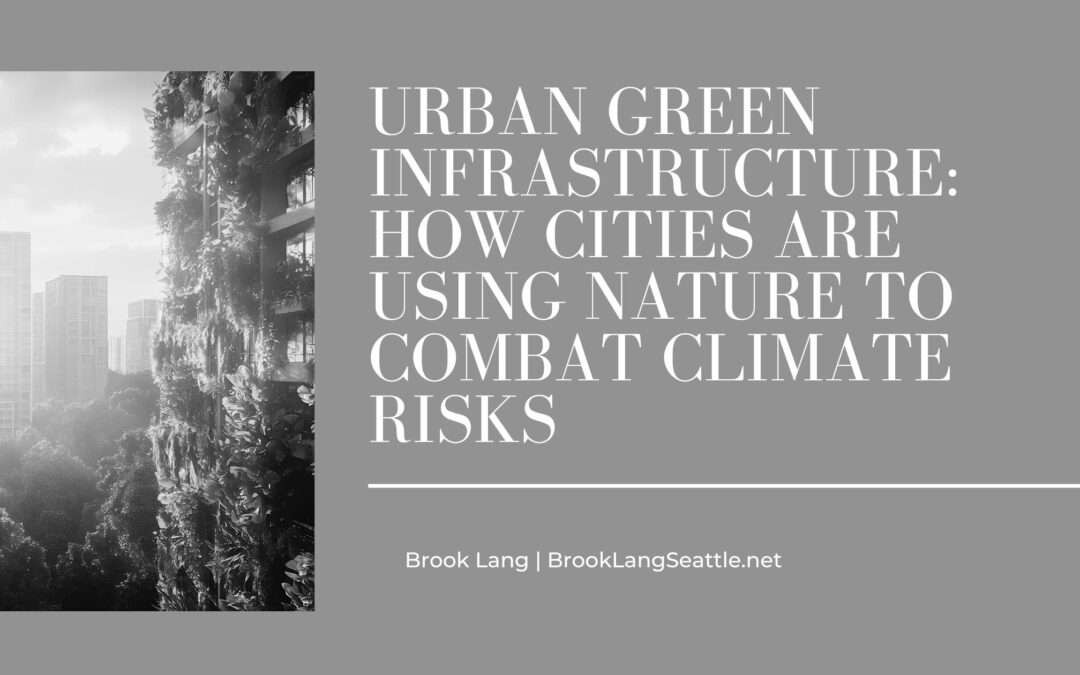
Urban green infrastructure (UGI) refers to the network of natural and semi-natural spaces that provide environmental, social, and economic benefits. This includes green roofs, urban forests, parks, permeable pavements, rain gardens, bioswales, and vertical gardens. Unlike conventional “grey” infrastructure, which relies on pipes and concrete, green infrastructure uses vegetation and natural processes to manage water, improve air quality, and reduce urban heat.
Combating Floods and Managing Stormwater
One of the most pressing climate risks in cities is flooding. Intense rainfall can overwhelm drainage systems, leading to property damage, traffic disruptions, and public health risks. Green infrastructure helps manage stormwater by absorbing rain where it falls.
-
Rain gardens and bioswales channel and filter runoff, preventing excess water from flooding streets and homes.
-
Permeable pavements allow water to infiltrate the ground rather than flowing directly into storm drains.
-
Urban wetlands and ponds act as natural reservoirs, storing water and reducing peak flows during storms.
By mimicking natural water cycles, cities can protect residents and infrastructure from climate-induced flooding while improving water quality.
Reducing Heat and Improving Air Quality
Urban areas are prone to the “heat island” effect, where concrete and asphalt absorb and retain heat, making cities significantly warmer than surrounding rural areas. Green infrastructure cools the environment through shading and evapotranspiration:
-
Urban forests and street trees lower local temperatures and provide shade.
-
Green roofs and walls insulate buildings, reducing energy use for cooling.
In addition, plants capture air pollutants, sequester carbon, and create healthier urban environments, directly benefiting public health.
Enhancing Social and Economic Benefits
UGI doesn’t just protect the environment; it also improves quality of life. Parks, community gardens, and green corridors offer recreational spaces, reduce stress, and encourage physical activity. Studies show that access to green spaces is linked to higher property values, stronger community cohesion, and even lower crime rates.
Global Examples of Urban Green Infrastructure
Cities worldwide are embracing green infrastructure:
-
Singapore has incorporated extensive green roofs and vertical gardens into its urban landscape, earning the nickname “City in a Garden.”
-
Copenhagen uses permeable streets and green roofs to manage stormwater and reduce flooding risks.
-
New York City has invested in green streets and rain gardens to mitigate combined sewer overflows and improve neighborhood resilience.
The Path Forward
As climate risks grow, urban green infrastructure is proving to be an essential tool for building resilient cities. It is cost-effective, adaptable, and multifunctional, providing environmental, social, and economic benefits simultaneously.
Integrating nature into urban planning is no longer optional—it is a necessity. By designing cities that work with natural systems rather than against them, communities can reduce climate risks, enhance livability, and foster a healthier, more sustainable future.